
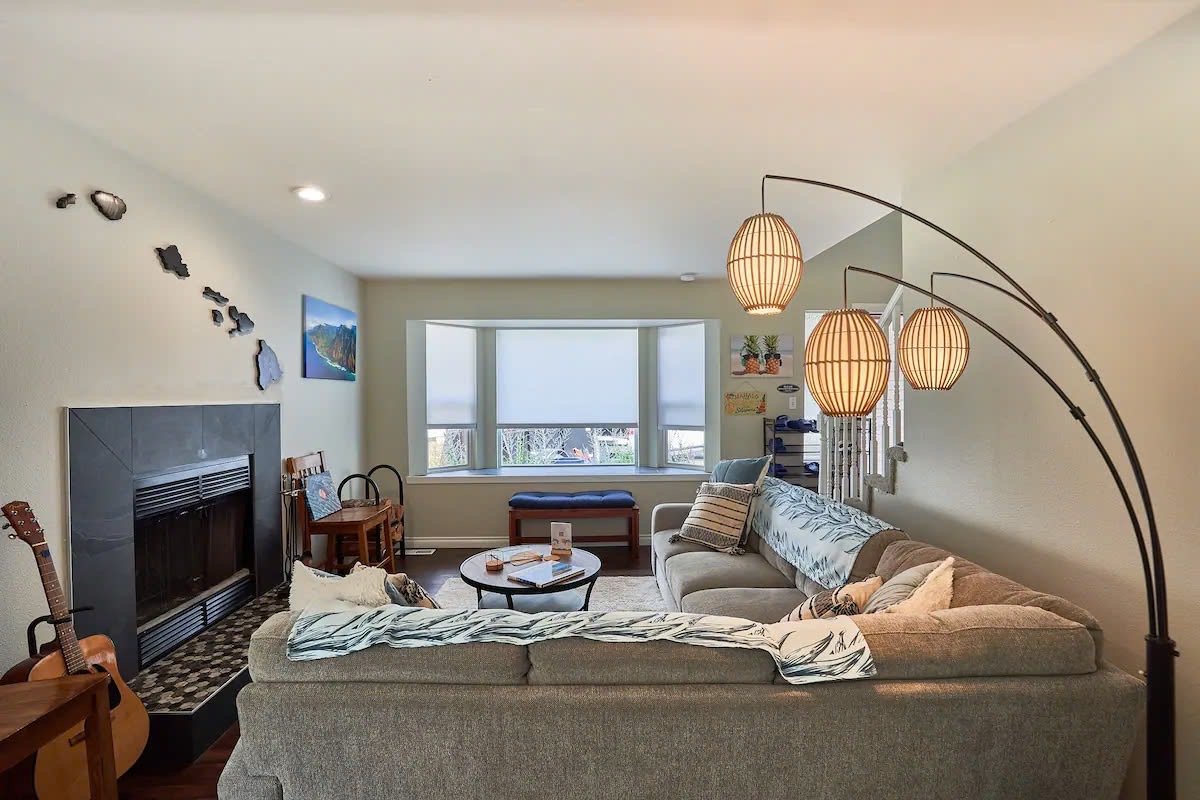
Have you ever walked into a living room and immediately felt off? Perhaps the space felt cluttered, the colors were clashing, or the furniture arrangement was awkward. These common interior design mistakes can significantly impact the overall look and feel of your living room.
In this post, we’ll explore ten common living room design mistakes and provide practical solutions to help you create a beautiful and functional space.
1. Neglecting the Focal Point
A focal point is the centerpiece of a room, drawing the eye and anchoring the space. Without a clear focal point, your living room can feel disjointed and lackluster.
To create a strong focal point, consider using a statement piece of furniture, a striking piece of art, or a unique architectural feature. For example, a beautiful fireplace, a large window with a stunning view, or a unique piece of art can serve as a focal point.
2. Ignoring Scale and Proportion
The scale and proportion of furniture and decor items play a crucial role in the overall balance of a space. Oversized furniture can overwhelm a small room, while undersized furniture can get lost in a large space.
When choosing furniture, consider the size of your room and the scale of other elements in the space. A well-proportioned room will feel harmonious and inviting.
3. Overlooking Lighting
Lighting is essential for creating the desired ambiance in your living room. Poor lighting can make a space feel dark, dreary, and uninviting.
To create a balanced lighting scheme, consider using a combination of ambient, task, and accent lighting. Ambient lighting provides overall illumination, task lighting illuminates specific areas like reading nooks or workspaces, and accent lighting highlights specific features, such as artwork or architectural details.
4. Clutter Chaos
Clutter can make a space feel cramped, disorganized, and stressful. To create a serene and inviting living room, it’s important to declutter regularly.
To declutter your living room, start by removing any unnecessary items. Donate, sell, or discard anything you no longer need or use. Next, organize your belongings and find storage solutions for items you want to keep.
5. Ignoring Color Psychology
Color can significantly impact the mood and atmosphere of a space. The right color palette can make a room feel more spacious, calming, or energizing.
When choosing a color palette, consider the overall style of your home and the mood you want to create. Neutral colors like beige, gray, and white are versatile and can create a timeless look. Bold colors can add drama and personality to a space.
6. Forgetting About Texture
Texture adds depth, interest, and visual appeal to a space. By incorporating different textures, you can create a more dynamic and inviting living room.
To add texture to your living room, consider using a variety of materials, such as wood, metal, glass, and fabric. Textured throw pillows, rugs, and curtains can also add visual interest.
7. Neglecting Acoustics
The acoustics of a space can significantly impact its ambiance. A noisy living room can be uncomfortable and distracting.
To improve the acoustics of your living room, consider using sound-absorbing materials, such as curtains, rugs, and upholstered furniture. You can also add acoustic panels or wall hangings to reduce noise levels.
8. Ignoring Ergonomics
Ergonomics is the science of designing equipment and furniture to fit the human body. An ergonomic living room should be comfortable and functional.
To create an ergonomic living room, choose comfortable seating with proper support. The height of your coffee table should be in proportion to your seating, and the arrangement of your furniture should allow for easy movement and conversation.
9. Overlooking Art and Decor
Art and decor can personalize a space and reflect your unique style. A blank wall can feel cold and impersonal.
To add personality to your living room, curate a collection of art and decor that reflects your interests and tastes. Consider using a mix of family photos, artwork, and decorative objects.
10. Fear of Experimentation
Don’t be afraid to take risks and experiment with different styles and trends. A unique and personalized living room is a reflection of your individuality.
To step outside your comfort zone, try incorporating a bold color, a unique piece of furniture, or an unexpected pattern. Remember, your living room should be a space that you love and enjoy.
Conclusion
By avoiding these common living room design mistakes, you can create a beautiful and functional space that you’ll love spending time in. Remember, the key to a successful living room design is to consider the overall balance, proportion, and functionality of the space.
Ready to transform your living room? Contact us today for a consultation. Our team of experienced designers can help you create a stunning space that reflects your unique style and personality.
